Jeep SUV Inventory Crisis in 2026: Causes, Numbers, and What It Means for Buyers
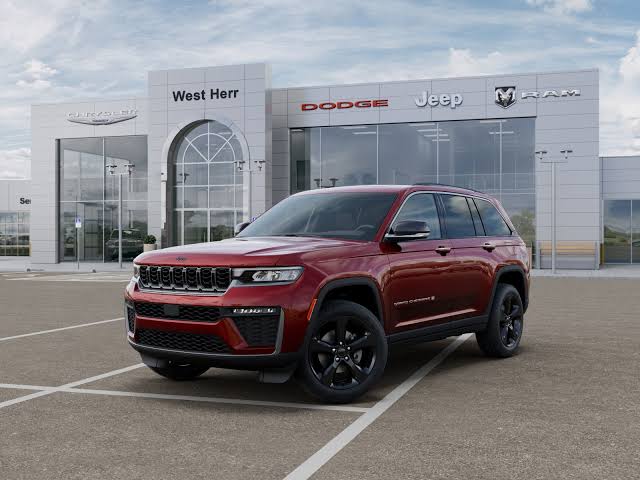
Car dealerships are facing an unprecedented crisis in 2026 involving the buildup of unsold Jeep sport utility vehicles (SUVs) and light trucks. Auto market data shows accumulation rates accelerating to record levels, with rows of unsold vehicles now stretching across dealership lots and storage yards — a phenomenon the industry refers to as “lot rot.”
The Scale of the Jeep Inventory Crisis in 2026, by the Numbers
According to market research reports and global automotive data analytics firms:
Market Day Supply
Jeep’s supply rate has climbed to around 130 days, compared to the healthy industry norm of 60 to 75 days.
Most Affected Models:
- Jeep Grand Cherokee: Dealerships are reporting hundreds of unsold 2025 and 2026 model-year units sitting on their lots. Before buying one of these discounted units, it’s worth having the vehicle professionally inspected to confirm it hasn’t suffered from extended lot storage.
- Jeep Gladiator: Has become one of the slowest-moving pickup trucks in dealer lots.
- Grand Wagoneer: Struggling significantly to compete due to its high pricing within the luxury off-road segment.
Jeep Inventory vs. Toyota and Ford in 2026: A Comparison
Sales momentum and inventory flow show a stark contrast between Jeep and its traditional competitors in the 4×4/off-road segment:
| Brand | Average Market Day Supply | Lot Inventory Status | Sales Momentum |
| Jeep | ~130 days | High buildup (80% above normal) | Slow, especially in upper/luxury trims |
| Toyota | 30–45 days | Low to balanced (demand exceeds supply) | Very fast for off-road and truck models |
| Ford | 70–85 days | Moderate to slightly elevated | Balanced, sustained demand for Bronco |
Toyota: The High-Turnover Inventory Strategy
Toyota continues to post the lowest market day supply figures, as buyers flock to its reliable models on the strength of the brand’s resale value, which prevents inventory from piling up on lots and keeps resale prices elevated.
Ford: Going Head-to-Head via the Bronco
Ford is locked in fierce competition with Jeep through the Ford Bronco. While Ford’s supply rate runs slightly above the healthy average, it remains in better shape than Jeep, helped by recent updates and bundled maintenance offers that have kept sales flowing at a more balanced pace.
3 Key Reasons Behind the Jeep Inventory Buildup
The crisis isn’t rooted in declining vehicle capability or off-road performance — it comes down to a price-versus-value equation and rising financing costs:
Prices Outpacing Purchasing Power
Over recent years, entry prices for Jeep’s core trims have risen noticeably, with mid-tier Grand Cherokee models now exceeding the $50,000 mark (roughly SAR 190,000 before taxes and fees), pushing the vehicle out of the affordable range for a wide segment of buyers.
Bank Interest Rates and Financing Costs
With auto loan interest rates continuing to climb — a dynamic also shaped locally by the lending controls the Saudi Central Bank (SAMA) oversees — and purchasing power weakening, a large share of buyers has shifted toward more affordable and alternative vehicle options that offer similar technology at more competitive prices.
Delayed Incentives and Discounts
The parent company was slow to roll out financial incentives and flexible pricing-reduction programs at the start of the production cycle, resulting in 2025 models piling up alongside new 2026 units on the same lots.
Jeep’s Recovery Plan: Price Cuts and Trim Restructuring
To counter these mounting pressures and the high cost of inventory storage for dealers, Jeep’s management announced a comprehensive plan to reset pricing and roll out new incentives:
- Lower starting prices: Cutting entry-level pricing on models such as the Gladiator 4×4 and Wrangler.
- More standard equipment: Adding features like newer display screens and advanced safety systems at no extra cost.
- Newer, more efficient engines: Expanding availability of Hurricane engines, combining power with better fuel efficiency.
- Financing offers and discounts: Rolling out low-interest financing options — including Sharia-compliant installment plans for buyers who prefer that structure — alongside direct cash-discount offers to reduce inventory volume.
What Does This Crisis Mean for Buyers Shopping for a New Car?
This crisis represents an excellent opportunity for buyers looking to purchase a new SUV:
- Greater buyer leverage: The inventory surplus makes dealerships more willing to offer additional discounts and free maintenance packages to clear accumulated stock.
- Competitive financing offers: Dealers are offering installment plans and direct cash incentives to compete for buyers — it’s worth comparing these against broader car financing options before committing.
- Immediate availability: A wide variety of trims and colors are available on lots right now, without the long waitlists typical of high-demand models.
Whatever the outcome, buyers negotiating a deal amid this kind of inventory surplus should also be aware of their consumer protection rights on warranties and pricing under Saudi Ministry of Commerce regulations — and keep an eye on how this kind of global market shift fits into the Kingdom’s broader economic diversification push under Vision 2030, as local buyers increasingly weigh imported inventory dynamics against domestic financing options.
For more daily automotive news and live coverage of local and global car markets, always follow Carly’s auto news section.