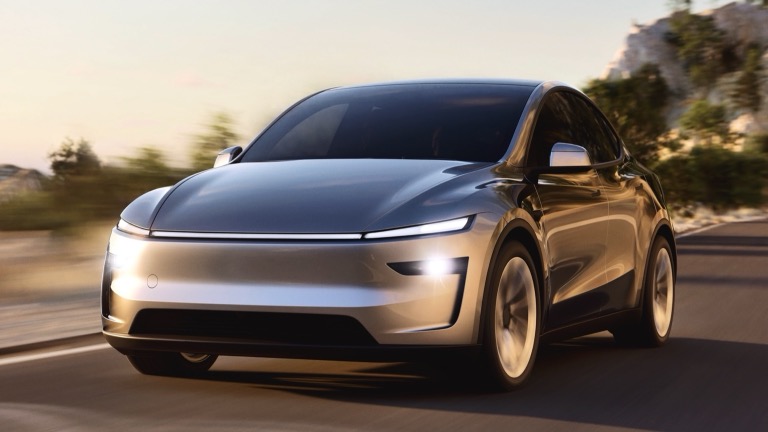
AUSTIN, Texas — As Elon Musk shifts Tesla’s focus toward autonomous robots and artificial intelligence. He is asking investors to view the company as much more than an automaker. However, funding those ambitious projects requires a healthy automotive foundation. Tesla’s second-quarter earnings report reveals that its core car business is facing mounting pressure.
ابحث عن سيارة أحلامك الآن!
استكشف آلاف السيارات الجديدة والمستعملة بأفضل الأسعار. تصفح، قارن، واشتري بكل سهولة من خلال منصة كارلي الموثوقة.
Despite record vehicle deliveries fueled by a surge in European EV demand amid rising oil prices. Tesla missed analysts’ quarterly profit forecasts and recorded negative free cash flow for the first time in over two years. The cash burn was largely driven by a massive acceleration in capital expenditures to build out infrastructure for AI and robotics.
Deliveries Rise, But Margins Tighten
While vehicle volume rebounded, profitability per unit shrank considerably. Lower average selling prices across competitive markets dragged automotive metrics down:
- Average Revenue Per Vehicle: Dropped to $42,730, down from $45,345 in prior quarters.
- Automotive Gross Margin: Slid to 16.3%, missing Wall Street’s expected 18.04%.
- Regulatory Credits: Revenue from selling emissions credits plunged by roughly two-thirds year-over-year to $146 million following policy changes.

These narrowing margins come at a challenging time. Tesla’s capital expenditures reached $5.8 billion for the quarter. More than double the spending in the previous quarter. Pushing free cash flow down to negative $1.1 billion. Total spending is projected to pass $25 billion this year as the company heavily invests in Full Self-Driving (FSD) software, robotaxis, and humanoid robots.
Relying on Software and Energy Storage
Tesla is banking heavily on FSD subscriptions and its energy generation business.
- Driver Assistance: Tesla reported approximately 1.5 million active FSD subscriptions (up 56% year-over-year), following key regulatory approvals in Europe, including the Netherlands.
- Energy Storage: The company deployed a record 13.5 GWh of grid-scale battery products during the quarter, providing a solid financial counterweight to its automotive segment.
Even with short-term financial squeeze and market fluctuations, Tesla retains a market valuation of around $1.4 trillion, reflecting investor faith that its self-driving ecosystem, energy grid products, and robotics can eventually yield far higher-margin returns than traditional auto manufacturing.
Driving the EV Revolution with Expanded Choices
As global manufacturers like Tesla scale up production and introduce cutting-edge electric technologies. Driving consumer adoption ultimately comes down to accessibility and variety. In rapidly evolving markets like Saudi Arabia, electric and hybrid mobility is booming— Carly is leading the charge by offering an extensive lineup of electric and hybrid vehicles tailored to every driver and budget. Whether you are looking for high-performance EVs, eco-friendly hybrid sedans, or versatile electric SUVs. Carly provides top-tier electric models alongside a fully digitized buying experience. With transparent upfront pricing, flexible multi-bank financing, comprehensive 150-point vehicle inspections, and direct door-to-door delivery, Carly makes finding, financing, and owning your ideal electric car completely effortless.