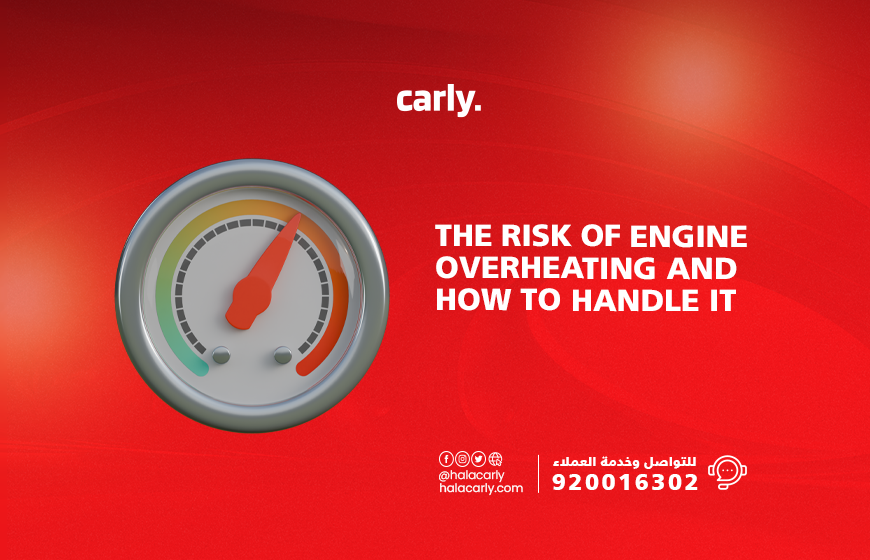
Car overheating is one of the most common problems faced by drivers in the Kingdom of Saudi Arabia, especially due to high temperatures throughout most months of the year and long-distance driving on highways.
Dealing incorrectly with this issue or ignoring it is one of the main causes of engine damage or costly repairs. Car overheating does not occur suddenly; rather, it results from several factors related to the cooling system, driving style, or neglecting regular maintenance. Hence, understanding the causes, early warning signs, and correct ways to deal with overheating—especially in Saudi Arabia’s hot climate—is essential.
In this article, Carly explains everything you need to know about car overheating, with a special focus on the Saudi market, and highlights its role in diagnosing the problem and helping drivers make the right decision at the right time.
ابحث عن سيارة أحلامك الآن!
آلاف السيارات الجديدة والمستعملة بأفضل الأسعار. تصفح، قارن، واشتري بكل سهولة من خلال منصة كارلي الموثوقة.
Causes of Car Overheating
There are several reasons that may cause a car to overheat, including the following:
Low Coolant Level
Low coolant level is one of the most common causes of car overheating, as the engine relies heavily on coolant to maintain proper temperature. This often occurs due to radiator or hose leaks, or neglecting regular coolant level checks. In Saudi Arabia’s hot climate, low coolant significantly reduces system efficiency, leading to rapid engine overheating, especially during long drives.
Cooling System Leaks
Coolant leaks are among the most dangerous problems that may go unnoticed in their early stages. Even small, invisible leaks can gradually reduce coolant levels, causing inefficient engine cooling. In hot regions, this issue becomes more severe as engine temperature rises rapidly when coolant is lost.
Faulty Engine Cooling Fan
The engine cooling fan plays a vital role in reducing temperature, especially during traffic congestion or low-speed driving. If the fan malfunctions due to electrical issues or sensor failure, the radiator will not cool properly, leading to heat buildup.
Radiator Blockage or Dirt Accumulation
A blocked or dirty radiator reduces cooling efficiency significantly. In Saudi Arabia, vehicles are constantly exposed to dust and sand, which can block airflow or cause internal scaling due to improper coolant use. This prevents proper heat dissipation and leads to overheating.
Thermostat Failure
The thermostat regulates coolant flow between the engine and radiator. If it fails and remains closed, coolant will not reach the engine in time, causing rapid overheating. This issue is often difficult to detect without proper inspection.
Water Pump Failure
The water pump circulates coolant throughout the cooling system. Any weakness or damage affects coolant distribution. When the pump fails, coolant does not reach hot engine areas efficiently, leading to gradual overheating and possible abnormal noises or leaks.
Harsh Driving Conditions Without Regular Maintenance
Long-distance driving or prolonged engine operation in high temperatures without regular maintenance increases the risk of overheating. Neglecting cooling system checks or fluid replacement leads to component wear and reduced performance.

What to Do When Your Car Overheats While Driving
If you notice your car overheating while driving, follow these steps to prevent severe damage:
• Stop the car immediately in a safe place away from traffic.
• Turn off the air conditioner to reduce engine load, and switch to hot air with windows open if needed.
• Turn off the engine and do not continue driving.
• Wait until the engine cools down completely.
• Avoid opening the radiator cap immediately.
• Check the coolant level and add coolant gradually after starting the engine, avoiding cold water to prevent internal damage.
• Contact a specialist or service center immediately if the problem persists.
Ignoring car overheating may lead to severe engine damage, cracked components, complete vehicle breakdown, reduced lifespan, and significantly higher repair costs.
Carly’s Role in Vehicle Inspection and Diagnostics
Carly plays an important role in helping drivers inspect and diagnose vehicles accurately by using advanced technologies to read engine data and detect hidden cooling system faults. Carly provides precise insights into engine condition and alerts users before problems worsen, enabling timely repair decisions at trusted service centers across Saudi Arabia.
Carly also raises awareness through specialized educational content that explains how to deal with vehicle problems—including overheating—in a simple and practical way, via expert tips, its website, and social media platforms.
Frequently Asked Questions
How can I prevent cars from overheating?
Drivers in Saudi Arabia are advised to conduct regular cooling system inspections at trusted centers, clean the radiator periodically, use high-quality coolant, ensure fan and sensor functionality, address even minor leaks promptly, and continuously monitor the temperature gauge.
Does air conditioning contribute to car overheating?
Yes, prolonged use of air conditioning—especially while stationary—adds extra load on the engine and cooling system, increasing the risk of overheating.
How often should a car be inspected?
Cars should be inspected monthly to ensure all internal components are functioning properly and to maintain long-term performance and market value.In conclusion, car overheating is a serious issue that should never be ignored, as it can cause engine damage, accidents, and costly problems. Understanding its causes and following safety and prevention measures is essential to maintaining vehicle safety and longevity.